Technical Advantages of R.C. Drilling in Industrial Deep-Wellbore
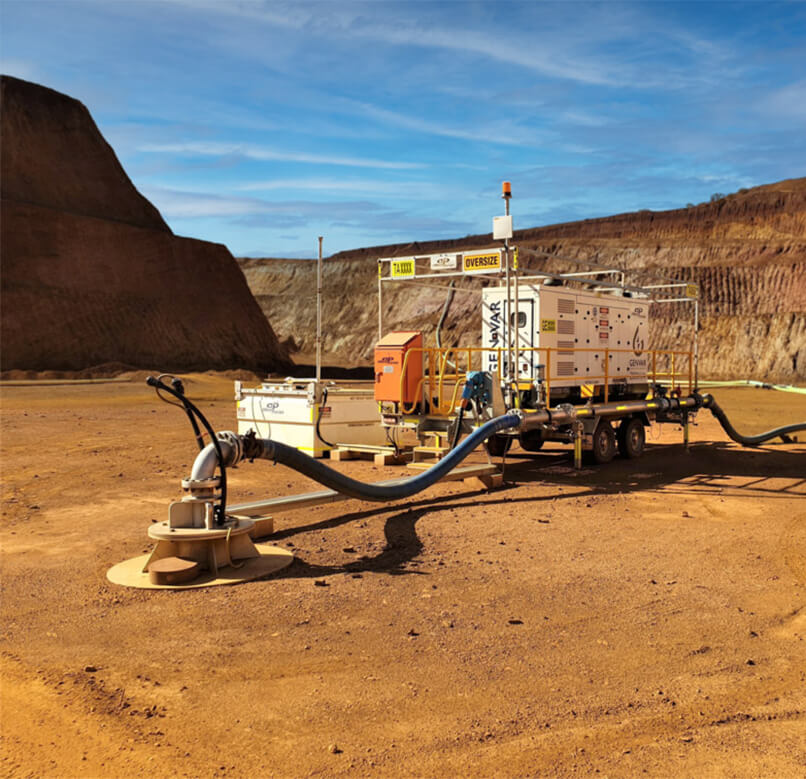
Reverse Circulation (RC) drilling is emerging as the gold standard for industrial water solutions across Pakistan. Unlike traditional methods, RC drilling uses dual-wall drill rods, where air or water is pumped down the outer shell and the "cuttings" (drilled material) are brought to the surface through the inner tube.
This method significantly reduces contamination of the sample and prevents water loss during the drilling process, which is critical when working at depths exceeding 1000 feet. At Geo-Studies, our Water Well Drilling Bore in Karachi operations have pioneered the use of high-pressure R.C. rigs to ensure strata stability and laboratory-grade precision in every bore.
"Precision in drilling is not just about reaching the depth; it's about maintaining the integrity of the geological data at every foot."
One of the most profound advantages of RC drilling is its speed. It is significantly faster than diamond core drilling, allowing industrial clients to reach their water targets in almost half the time. Before any drilling commences, our team conducts a thorough Electrical Resistivity Survey for aquifer detection to precisely identify the optimal target depth and minimise the risk of a dry bore. This efficiency, combined with our 28 years of engineering experience, provides an unmatched ROI for large-scale infrastructure projects.
Key Takeaways
- Reverse circulation (RC) drilling uses dual-wall drill rods to deliver clean, uncontaminated formation samples to the surface.
- RC rigs can reach depths exceeding 1550 feet, making them ideal for deep industrial tube well projects in Pakistan.
- Pre-drilling Electrical Resistivity Surveys (ERS) significantly reduce dry-hole risk by identifying the optimal aquifer target depth.
- Geo-Studies has operated RC drilling rigs across all four provinces of Pakistan since 1995.